Blog

Short blog posts, journal entries, and random thoughts. Topics include a mix of personal and the world at large. 

Pure security theatre

I like to complain about the security theatre here in the States, but practically speaking it’s a necessary evil. When the founding contract of the country stipulates the right to own firearms, you must and can only do the best to mitigate the downsides. Unless the second amendment goes away - never, at least not in our lifetime, security screenings before being allowed into venues is just part of life in America.

Surprisingly there’s even more stringent security theatre in China. Can you imagine needing to pass a detector and bag search before getting into a subway station? That’s normal everyday life in China. Perhaps there was a time when this was necessary. But the modern Chinese cities are so heavily surveilled that no one would be stupid enough to commit any physical crimes. (Word on the street is online scams are where the crime is concentrated.)

Never mind the fact civilian gun ownership is absolutely verboten.

With crime practically non existent, why then remain the security theatre? Even if the government is worried about explosive devices, money is so thoroughly digital in China - WeChat pay and AliPay is ubiquitous - that it should be laughably easy to find exactly who purchased the bomb-making ingredients. The citizenry cannot throw away a piece of trash without the government being able to tell exactly which trashcan it is.

There’s got to be a point where the crime deterrence apparatus has been so pervasive for so long that the mere idea of it is enough. The government can then scale back the stuff that merely adds on inconvenience.

But hey, as a government employee myself, I can appreciate the amount of jobs the security theatre creates. It’s rather cushy to sit beneath an air conditioning vent looking at bags all day. Especially for those who did not pass the highly competitive Chinese university entrance exams.
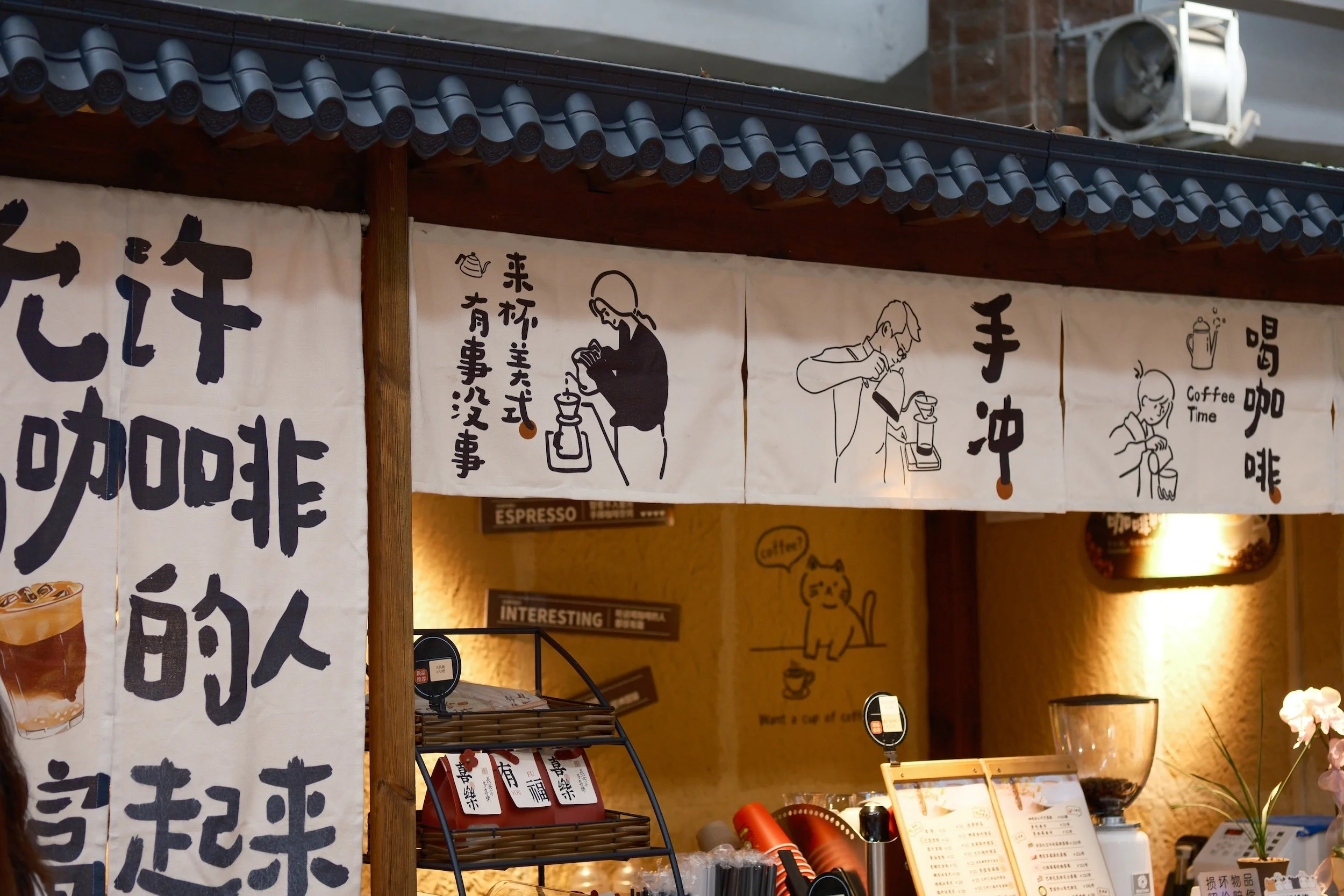
A cup makes the problems disappear.

Guangzhou tip: don't take the subway

The sprawling metropolis of Guangzhou has a fantastic subway system, able to take you quickly to practically anywhere in the city and its periphery. You’d be surprised then to know that in my two weeks there earlier this month, I took the subway a grand total of just once. If a destination is also accessible by bus, I’d always choose that option, even if it takes longer to get there.

The reason is simple: the Guangzhou subway is massively crowded. In a city of 11 million people. the subway system is rather erroneously not built to handle the amount of people that utilize it on a daily basis. The stations aren’t big enough, and subsequently the trains aren’t long enough to adequately acquiesce to the flow of people. On the major lines that go through the heart of Guangzhou, it’s crowded nearly all the time: you’re either fighting with the commuter crowd, or fellow tourists visiting the city.

The masses of people get so bad during the morning and evening commute hours that security guards have to set up barricades outside of subway stations to keep people from flooding in disorganized. No other city have I visited where you’d need to queue up before you even enter a station.

What we in the West think of as “personal space”? Forget about it: you are packed into the subway trains like sardines. The Chinese aren’t bashful about barging their way through, and you the foreigner mustn’t take it personally. Being overly polite might mean you won’t be able to get off in time before the doors close - it’s that packed.

It’s due to these factors that I avoid taking the Guangzhou subway as much as possible. The surface bus network is equally as extensive and far-reaching, and while it may take considerably more time to get somewhere, at least I’m not stuck in a precarious position amongst a dense cluster of humanity as I would be taking the underground train. Often times there were open seats on the bus, which allows for a comfortable and leisurely ride to get to where I want to go. For travelers who can afford to not be in a hurry, I highly recommend taking the bus in Guangzhou.

Though there is one potential problem: the bus stops and buses have nearly zero English translations, so if you’re not a former Chinese national like myself, then you really need to rely on Apple Maps to assist you (Google maps is utterly blocked in China, remember). Follow the GPS to know when to get off the bus, because the stop names listed are Chinese only.

Apologies, user of Android phones.

The glorious Guangzhou library in the Tianhe district.